Dr. John Simonsen


Professor

Wood Science & Engineering

College of Forestry

Oregon State University

Corvallis, Oregon 97331

541-737-4217


john.simonsen@oregonstate.edu

 

Cellulose nanocrystal aerogel

VITA RESEARCH AREAS PUBLICATIONS
     

VITA

Education

B.S. Chemistry, University of Missouri, 1969

Ph.D. Physical Chemistry, University of Colorado, 1975

   
Research Experience

1990-present:   Oregon State University                                

1987-1990         Scientific Services Inc., Boulder Colorado

1986-1987         Simonsen Consulting Company, Springfield, Missouri

1977-1985         Simonsen Chemical Company, Cabool, Missouri

   
Teaching

WSE 442/542    Wood Composites

WSE 507-1        Beginning Seminar

WSE 522           Wood Science II

WSE 530           Polymer Composites

   
Professional Societies

American Chemical Society

Forest Products Society

Society of Wood Science & Technology


RESEARCH AREAS

 CELLULOSE NANOCRYSTALS

The cellulose sub-elementary fibril in plants is the most abundant nanomaterial on Earth!

                                                                                    Hiruyoki Yano, Kyoto University

Of the many materials derived from the forest, the one which possesses perhaps the highest strength and stiffness is the cellulose crystal.  Industrially, the material which comes closest to crystalline cellulose is known as microcrystalline cellulose (MCC) and has been used since its discovery in the 1960's for a variety of uses, mostly in the pharmaceutical and food industries.  Almost every aspirin, or other kind of, tablet contains MCC as the drug carrier or as a processing aid.

MCC (Fig 1) is derived from bleached, dissolving grade wood pulp that has been acid hydrolyzed.  Under moderate conditions of acid hydrolysis, the cellulose in the pulp is degraded, but the rate of degree of polymerization (DP) reduction slows after a certain point, fiber degradation takes place.  The cellulose degradation proceeds slowly after this point, which is called the level off degree of polymerization (LODP).  Here the cellulose consists of a large size distribution of particles, mostly in the micron range.  To produce cellulose nanocrystals (CNCs), the hydrolysis is allowed to proceed further and, under the influence of high shear, the particles are further comminuted.  It is possible to produce a reasonable (typically about 30% or so, depending upon species and processing method) yield of nanocrystals of cellulose. 


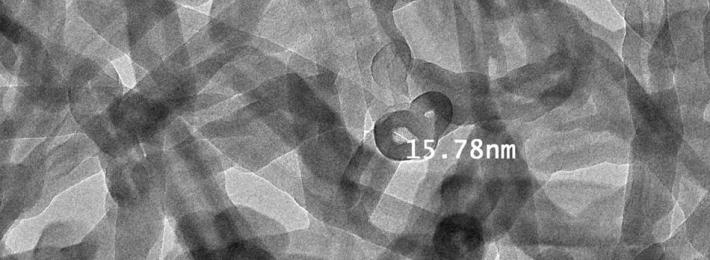
These are the basic crystal units which exist in the crystalline domains of the wood cell wall.  Their size varies with species (Table 2), but is on the order of 3-20 nm in width and tens to thousands of nanometers long (Fig. 2). Research interest in cellulose nanocrystals is growing rapidly (see chart)

CNC publications vs. time


Figure 2. TEM image of cellulose nanocrystals.

 Additional Images

Properties of various materials

 comparison of materials


The Material Science of Cellulose Nanocrystals


Cellulose is the largest volume polymer on earth.  It is contained in virtually all plants and is produced by certain bacteria and small sea animals.  Regardless of its source, cellulose is a semi-crystalline high molecular weight homopolymer of β -1,4 linked anhydroglucose.  Being semi-crystalline, cellulose has ordered (crystalline) and disordered (amorphous) regions that allow the generation of stiff nanocrystals.  Indeed, acids preferentially hydrolyze the amorphous regions of cellulose yielding dispersions of extremely stiff nanocrystals.  The density of CNCs calculated from X-ray diffraction data is 1.566 g/cc and their mechanical performance compares well with other materials (Table 1).


Nanocrystalline cellulose from wood is 3 to 5 nm in width and  20-200 nm long; from Valonia, a sea plant, 20 nm in width and 100-2000 nm long; from cotton, 3-7 nm in width and 100-300 nm long (Fig. 3); from Tunicin, a sea animal, 10 nm in width and 500 – 2000 nm long.  Most of these sources provide CNCs with aspect ratios of 50 or greater.  This allows for low percolation thresholds.


Acetobacter Xylinum, the most common cellulose producing microorganism, extrudes cellulose I, a two-fold crystalline helix of parallel glucan chains.  There are two crystalline modifications to the supramolecular structure of cellulose I: cellulose Iα and Iβ.  The crystalline glucan chains are extruded from a terminal complex and aggregate to form nanofibrils, and then ribbons (Fig. 4).


Figure 3.  AFM image of CNCs from cotton.  Height image

on left and phase image on right.  The width of the CNCs

is highly exaggerated due to the large size of the tip

compared to the size of the CNCs.


The cellulose crystal is one of the strongest and stiffest organic molecules, with a modulus of 145 GPa and a strength estimated at 7500 MPa. The extension to break of a CNC is estimated to be only 2%. CNCs have high surface areas (~250 m2/g), are hydrophilic, and are quite amenable to surface derivatization. CNCs are long, thin rods with very high aspect ratios (~20-50).

Experiments with CNCs in the Simonsen lab have shown the effect of different interphase chemistries and percolation on nanocomposite performance. We have observed percolation effects at low filler loadings. In addition, we have observed an approximate tripling of both the modulus and water vapor transport in polysulfone at low filler loadings.  The choice of CNC fillers therefore provides several distinct advantages:

1.   They are high aspect ratio nanoparticles, thus the percolation threshold is achieved at low filler loadings

2.   They have been shown in the literature, and in our labs, to significantly increase the modulus of filled polymer systems.

3.   Few nanoparticles offer the versatility of CNCs in terms of ease of preparation and chemical modification. Since a major fraction of the polymer matrix will be affected by the CNCs, transport and mechanical properties will be correspondingly affected.


Figure 4.  A. xylinum biosynthesis, from R.M. Brown, 1996.  J. Mat. Sci., Pure Appl. Chem. A33(10):1345-1373


CNC-Based Polymer Nanocomposites – Recent  Experiments


a) Carboxymethyl cellulose (CMC)


CNXLs from cotton were dispersed in CMC (molecular weight 250,000, degree of substitution 1.2) films.  Strength, stiffness and toughness were all increased.  For example, the tensile strength was increased from 37 MPa to 80 MPa by the addition of 5% CNCs.  The films were highly susceptible to water, but a simple heat treatment (120 °C/3 hr) resulted in a water resistant film.  FTIR analysis indicated crosslinking between the CMC matrix and the CNC filler.  The water vapor transport rate (WVTR) decreased ~ 9% with the heat treatment.  This shows the strong improvement in mechanical properties that can be gained with CNC nanoparticles.  It also shows that controlling the interphase via the heat treatment did have an effect on the WVTR.  The effect is likely not strong here as the CMC itself is quite permeable to water.


b) Poly(vinyl alcohol) (PVOH)


The addition of CNCs to PVOH blends also resulted in improved mechanical properties.  In addition, in heat treated films (170 °C/45 min) the WVTR was reduced from ~800 g/m2 day for 100% PVOH to ~ 300 g/m2 day for PVOH with a 10% loading of CNXLs.  Again, FTIR indicated crosslinking between the CNCs and the PVOH matrix.  This dramatic reduction underscores the potential of the “nano” effect to alter composite properties at low filler loadings.


c) Polysulfone (PSf)


In the preceding examples, the matrix polymer was hydrophilic, and the effect of constricting the interphase by crosslinking was to reduce the WVTR.  PSf showed the opposite effect (Fig. 5).  Here the filler is more hydrophilic than the matrix and the WVTR increases with filler content.  Also, the percolation threshold at ~ 1% filler loading is clearly demonstrated.  The high variability at the 11% CNC loading is believed to be due to agglomeration, a problem in all nanocomposite systems. 


The results suggest that the diffusion of moisture is greatly enhanced in the interphase between the CNC filler and the PSf matrix.  In this case, the CNCs were not chemically modified.


This demonstration of opposite effects on membrane performance utilizing the same filler suggests that an understanding of the interphase chemistry and physics and careful balancing of the various forces and processes involved offers the promise of advanced nanocomposites with significantly improved properties.


The effect of the interface, or interphase, in polymer composites, including nanocomposites, is critically important to understanding their properties.  Studies of biological systems have shown that optimum properties are not always provided by the strongest and stiffest interphases.  For example, bone and muscle are connected via tendons, which are quite flexible at small strains, with an increasing modulus of elasticity as the strain increases.  The key here is energy absorption by the interphase.  With nanocrystal systems, we should be able to design and build nano-systems with various types of bonding.  With proper design, it should be possible to provide for an elastic region where small strains are simply absorbed and the system returns to its original state upon release of the stress.  At larger strains and stresses the system might become increasingly stiff, behaving as an elastomer.  In fact, various degrees of resistance to movement, or internal friction, can be controlled by careful chemical design of the various components.  For example, polymers bonded with covalent cross-links will show different behavior than polymers that are ion-bonded through acid-base groups.  A material could be designed in this way to be very robust, tough, resistant to impact, yet quite strong and stiff when extended beyond small strains.


These superior mechanical properties should allow cellulose nanocrystal composites to compete with many engineering plastics.  The rich literature on cellulose modification allows for a great variety of products to be designed and manufactured from this technology platform. 


While the manufacture of new and robust composite materials is an important objective, perhaps even more important is gaining an understanding of what variables govern their behavior.  Development of a knowledge base in this area will help lay the foundation for the evolution of more advanced and specifically designed materials of this type.  The development of this knowledge base is our primary objective.  In addition, these studies will hopefully add to the understanding of the relationships between interphase strength and stiffness and the final material properties of a composite.


Another reason to choose this system from a materials point of view is that cellulose nanocrystals of a defined size range with modified surfaces could be a desirable model system to explore interactions in composites on the nanoscale and to develop a better understanding of bonding mechanisms in these systems.  Such knowledge would have implications not only for the development of CNC-based materials, but also for understanding the interface (interphase) in composites in general, adhesives, and other systems of interest to material scientists.


Thus, by modifying the surface of cellulose nanocrystals appropriately, a variety of bonding types can be explored.  Chemical modification of cellulose is a mature technology and many chemical reaction schemes are well-known and well studied.  It is possible to synthesize cellulose nanocrystals with a variety of different molecules attached to the surface.  The modifications could be designed to create different types of bonding between the nanocrystals.  These various nanocrystals could then be processed into a solid material.  In this manner, direct control on the molecular level would lead to macroscopically observable material properties.


Graph of water vapor transport rate

Recent and current projects have studied compatibilization of cellulose in polyethylene; cellulose/polysulfone nanocomposites; cellulose carboxymethyl cellulose nanocomposites, cellulose/polyvinylalcohol nanocomposites, and DNA/CNC hybrid nanomaterials. Cellulose nanocrystal  Additional projects targeting biomedical applications are also underway.


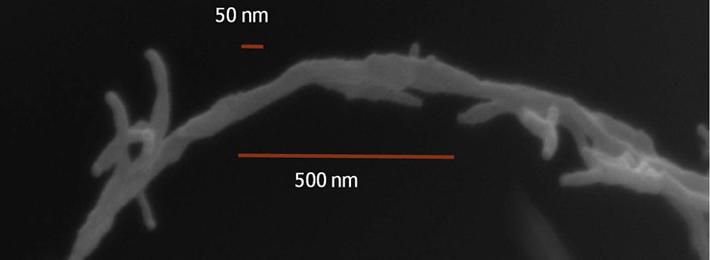
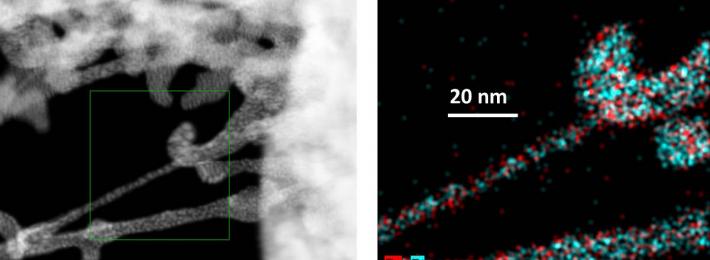
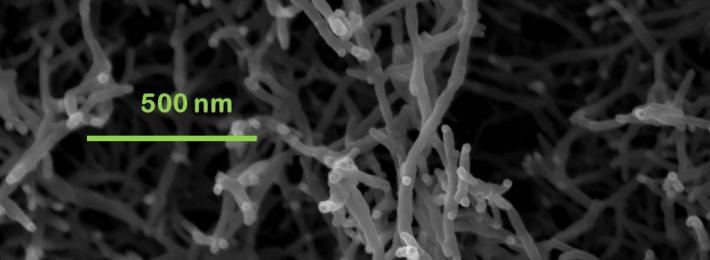
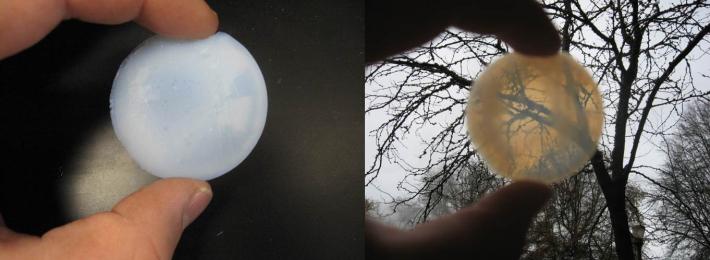
We are also investigating cellulose nanocrystal aerogels. These interesting systems allow us to study fundamental interactions in composites and obtain a close up view of CNCs and their chemical and physical modifications (Fig. 6).

CNCs are being utilized to make extremely well characterized polymer nanocomposites in order to test and verify the Nairn model (R. Moon, A. Martini, J.A. Nairn, J. Simonsen, and J. Youngblood, "Cellulose Nanomaterials Review: Structure, Properties and Nanocomposites," Chem. Soc. Rev., 40, 3941-3994 (2011). DOI:10.1039/C0CS00108B). The Nairn model is a set of equations that includes a size parameter and in interface parameter. This effort will utilize polymer infused CNC organogels to create a nanocomposite with a known particle distribution. This is also a way to investigate percolation of CNCs in polymer nanocomposites.


Cellulose nanocrystals have a bright future due to the large number of potential applications:

applications graphicapplicaions graphic, CNCs


WOOD-PLASTIC COMPOSITES:  DEFINING THE INTERPHASE


Wood/plastic composites (WPC) are a relatively new class of materials and one of the fastest growing sectors in the wood composites industry.  WPCs are normally made from a mixture of wood flour, thermoplastic, and small amounts of process and property modifiers through an extrusion process.  WPCs are used as outdoor decking materials, interior door panels, window moldings, interior automobile parts, and a large variety of other molded products.   The most commonly used plastics for WPC manufacture are polyethylene and polypropylene.  Various wood fibers, and even cellulosic wastes such as ground wood waste, bagasse, corncobs, and cereal straw, have been used as fillers for plastics. Wood compares favorably with other available fillers such as glass fibers for plastics since it is inexpensive, readily available, and causes lower machine wear and damage of processing equipment.


WPCs could have many property advantages over wood panels, such as lower water absorbance, lower thickness swell, and more durability against biodeterioration.  However, the interface between the wood and the plastic is typically weak and fails to transfer stress between the phases because wood is hydrophilic and thermoplastic is hydrophobic.  Consequently, the full strength of the wood is unavailable to reinforce the plastic.  One solution to this problem is a compatibilizer that bridges the interface and improves the stress transfer between wood and plastic.


Extensive studies on filled polymer composites suggest that an ideal compatibilizer should be a block copolymer, having one block able to form strong adhesion with polymer matrix and having the other block able to form strong bonding with the filler.  Maleic-anhydride-grafted polyethylene (MAPE) is at present the most effective compatibilizer for wood-polyethylene composites, one of the most widely used WPCs.  It is believed that succinic anhydride residues in MAPE serve as a wood-bonding domain and polyethylene (PE) chains co-crystallize or form entanglements with the PE matrix. 


Since improved strength and stiffness are typically the properties of interest in the final composite, extensive research has been performed investigating a variety of techniques to improve adhesion between the wood filler and the polymer matrix


The reinforcement in filled polymer composites depends on many factors, including the properties of the polymer and filler, the size and shape of the filler (particulate, fibrous, fabric, etc.), the phase state of the polymer (crystalline, rubbery, etc.), the process by which the filled polymer composite is manufactured, and the nature of the interphase between the polymer matrix and the filler.  While all these factors, and more, have an effect on the final composite properties, it is typically the properties of the interphase that determine the extent to which stress in the matrix is transferred to the filler.  This is especially relevant for wood-filled polymer composites, where poor wetability and lack of adhesion often provide weak interphases and consequently less than maximal composite properties.  Improvements of mechanical properties of a WPC by a compatibilizer are believed to result from enhanced interfacial adhesion.  Strong interactions across interfaces of wood and thermoplastic are essential for high strength properties of a WPC. 


A compatibilization mechanism for a WPC is proposed in Figure 1.  Extensive studies on filled polymer composites suggest that an effective compatibilizer must contain two domains: one domain able to form strong adhesion with the thermoplastic and the other able to bond to wood fibers.  Because thermoplastic such as polyethylene is quite chemically inert for covalent linkages, the strong adhesion of a compatiblizer with the thermoplastic mainly relies on strong entanglements or segmental crystallization.  Therefore, it is essential that the plastic binding domain has the same or a very similar structure as that of the plastic matrix. 


The wood-binding domain in a compatibilizer normally contains a functional group able to form covalent bonds with hydroxyl groups in wood surface. There are at least two advantages for formation of the covalent bonds.  First, a covalent bond is much stronger than a hydrogen bond.  Second, reaction with the hydroxyl groups on the fiber surface reduces the hydrophilicity of wood, thus increasing the water-resistant properties of WPCs. 


Even after extensive studies, the structural requirements of an effective compatibilizer are still poorly understood.  The block copolymer is the traditional morphology for compatibilizers and has proven effective over many years in many diverse applications.  This basic concept also appears to apply to WPCs, thus the success of MAPP and MAPE in commercial applications of WPCs. 


Yet we cannot simply add any block copolymer to a WPC and get large increases in properties.  What are the requirements for a compatibilizer in this system?  This is the subject of our research.


The key to unraveling the mystery of compatibilization in WPCs lies in improved analytical techniques.  We don’t understand how compatibilizers work in these systems because we don’t have enough information.  Obtaining the critical information is the next step. 


Recently Dr. Kaichang Li’s lab at OSU has developed a number of new, effective compatibilizers for WPCs based on the classic block copolymer compatibilizer concept.  These new systems are a type of block copolymer called a brush copolymer.  Here the plastic binding domains are attached as side chains to a backbone polymer which binds to wood (Fig. 2).  Studies of the interphase chemistry and physics of various WPC systems incorporating these new compatibilizers should provide significant insights in the mechanism of compatibilization in WPCs.


 While theoretical models are a valuable means of predicting performance and guiding synthetic development of new compatibilizers, these models rest upon the direct measurement of the properties of interest.  In our case, these properties of interest are:

·             interfacial shear strength

·             mechanical properties, i.e., strength and stiffness

·             impact properties

·             the location of the compatibilizer in the composite


How interfacial shear strength (IFSS) translates into the mechanical properties strength and stiffness is a major piece of what we want to know about compatibilizers in WPCs.  A recent study developed an improved IFSS test method. In addition, impact strength and fracture behavior are critical to understanding how compatibilizers function “in the real world.”  Real time analysis of the fracture mechanics of these composites will be invaluable in unraveling the mystery of what makes a good WPC compatibilizer.


We are developing a basic understanding of compatibilizers for WPCs.  It will allow the rational design of future compatibilizers to improve and tailor the properties of WPCs to specific end uses.  This will allow cost savings and improved products in the marketplace.


We are also interested in the durability of WPCs, especially in the outdoor environment.  In collaboration with Prof. Lech Muszynski in the WSE Department at OSU, we are developing techniques to utilize x-ray tomography to analyze the internal damage in WPCs as a function of various degradation and accelerated aging schemes.  In addition, we are collaborating with Prof. Jeff Morrell in the WSE Department at OSU to study biological degradation mechanisms in WPCs.


SELECTED PUBLICATIONS


Eichorn, S.J., A. Dufresne, M. Aranguren, N.E. Marcovich, J.R. Capadona, S.J. Rowan, C. Weder, W. Thielemans, M. Roman, S. Renneckar, W. Gindl, S. Veigel, H. Yano, K. Abe, M. Nogi, A.N. Nakagaito, A. Mangalam, J. Simonsen, A.S. Benight, A. Bismarck, L.A. Berglund, T. Peijs. (2010) Review: Current International Research into Cellulose Nanofibres and Nanocomposites. Journal of Materials Science, 45(1) 1.

Mangalam, A., J. Simonsen and A.S. Benight. 2009. Cellulose/DNA Hybrid Nanomaterials.  Biomacromolecules 10 (3), 497-504

Paralikar, S., J. Simonsen and J. Lombardi. 2008. Poly(vinyl alcohol)/Cellulose Nanocrystal Barrier Films. J. Membrane Sci. 320 (2008) 248–258

Park, S-I., Y. Jiang, Y. Zhao, J. Simonsen. (in press) Feasibility of Creating Compression-Molded Biocomposite Boards from Berry Fruit Pomaces. J. Appl. Poly. Sci


Morrell, J.J., H. Chen and J. Simonsen (2008).  Pentachlorophenol Migration from Treated Wood Exposed over Aquatic Ecosystems.  Holzforschung 62: 608-612.


Noorani, S., J. Simonsen and S. Atre 2007.  Nano-enabled Microtechnology:  Polysulfone Nanocomposites Incorporating Cellulose Nanocrystals.  Cellulose, 14:577-584


Palaniyandi, V. and J. Simonsen.  2007.  Efffect of Compatibilizers on the Crystallization Kinetics of Cellulose-filled High Density Polyethylene.  Composite Interfaces. 14(1):73-83.


Saputra, H. A., J. Simonsen, and K. Li. 2006. Effects of Compatibilizers on the Flexural Properties of Grass Straw Polyethylene Composites. J. Biobased Mat. Bioenergy:   1:1-6.


Zhang, C., K. Li, and J. Simonsen. 2006. Terminally Functionalized Polyethylenes as Compatibilizers for Wood-Polyethylene Composites. Polym. Engr. Sci. 46(1):108-113. 

Noorani, S., J. Simonsen and S. Atre.  2006.  Polysulfone Nanocomposites.  In Cellulose Nanocomposites: Processing, Characterization and Properties, ACS Symposium Series No. 938, K. Oksman, M. Sain, eds.  American Chemical Society, Washington, D.C.

Geng, Y., K. Li and J. Simonsen. 2006. Further Investigation of Polyaminoamide-Epichlorohydrin/stearic Anhydride Compatibilizer System for Wood-Polyethylene Composites.  Journal of Applied Polymer Science, 99:712-718.


Choi, Y-J., J. Simonsen.  (2006).  Carboxymethylcellulose Nanocomposites.  Proceedings of the Society for the Advancement of material and Process Engienering (SAMPE) Fall Technical Conference (37th ISTC), Seattle, WA, October 31-November 3, 2005.


Choi, Y. and J. Simonsen.  2006. Cellulose Nanocrystal-filled Carboxymethyl Cellulose Nanocomposites, Journal of Nanoscience and Nanotechnology, 6(3):633-639.


Geng, Y., K. Li and J. Simonsen. 2005.  A Commercially Viable Compatiblizer System for Wood-Polyethylene Composites.  Journal of Adhesion Science and Technology, 19(15):1363-1373.


Zhang, C., K. Li and J. Simonsen.  2005.  Terminally Functionalized Polyethylenes as Compatibilizers for Wood-Polyethylene Composites.  Polymer Engineering and Science, published online 6 December, 2005; www.interscience.wiley.com DOI 10.1002/pen.20443.


Rogers, J. and J. Simonsen.  2005.  Interfacial Shear Strength of Wood-Plastic Composites:  A New Pullout Method Using Wooden Dowels.  Journal of Adhesion Science and Technology, 19(11):975-985.


Geng, Y., K. Li and J. Simonsen.  2005.  A Combination of Poly(diphenylmethane diisocyanate) and Stearic Anhydride as a Novel Compatibilizer for Wood-Polyethylene Composites.  Journal of Adhesion Science and Technology, 19(11):987-1001.


Kang, S.M., J.J. Morrell, J. Simonsen, and S. Lebow.  2005.  Creosote Movement from Treated Wood Immersed in Fresh Water.  Forest Products Journal.


Saputra, H., J. Simonsen and K. Li.  2004.  Effect of Extractives on the Flexural Properties of Wood/Plastic Composites.  Composite Interfaces (11(7):515-524.

Zhang, C., K. Li and J. Simonsen.  2004.  Improvement of Interfacial Adhesion Between Wood and Polypropylene in Wood-Polypropylene Composites.  Journal of Adhesion Science and Technology 18(4):1603-1612.


Geng, Y., K. Li and J. Simonsen.  2004.  Effects of a New Compatibilizer System on the Flexural Properties of Wood-Polyethylene Composites.  Journal of Applied Polymer Science 91:3667-3672.


Li, X., K. Li, J. Simonsen and Y. Geng.   Application of Ionic Liquids as Anti-static Agents Holzforschung. 58(3):280-285.


Li, K., X. Geng, J. Simonsen and J. Karchesy.   Novel Wood Adhesives from Condensed Tannins and Polyethyleneimine.  Intl. J. of Adhesion and Adhesives.  24:327-333.


Simonsen, J., C.M. Freitag, A. Silva and J.J. Morrell.  2004.  Wood/plastic Ratio:  Effect on Performance of Borate Biocides Against a Brown Rot Fungus.  Holzforschung 58:205-208.


Zhang, C., K. Li and J. Simonsen.  2002.  A Novel Wood-Binding Domain of a Wood-Plastic Coupling Agent:  Development and Characterization.  J. Appl. Poly. Sci. 79(3):418-425.


Xu, B., J. Simonsen, and W.E. Rochefort. 2001. Creep Resistance of Wood-Filled Polystyrene/High-Density Polyethylene Blends. Journal of Applied Polymer Science.79(3): 418-425


Rials, T.G., and J. Simonsen. 2000. Investigating Interphase Development in Wood-Polymer Composites by Inverse Gas Chromatography. Composite Interfaces, 7(2):81-92.


Xu, B., J. Simonsen, and W.E. Rochefort. 2000. Mechanical Properties and Creep Resistance in Polystyrene/Polyethylene Blends. J. of Applied Polymer Science. 76:1100-1108.


Giri, M., J. Simonsen, and W.E. Rochefort. 2000. Dispersion of Pulp Slurries Using Carboxymethylcellulose. Tappi Journal 83(10):58.


Liu, F.P., T.G. Rials, and J. Simonsen. 1998. The Relationship of Wood Surface Energy to Surface Composition. Langmuir, 14(2):536-541.


Simonsen, J., R. Jacobsen, and R. Rowell, 1998b. Properties of Styrene-Maleic Anhydride Copolymers Containing Wood-Based Fillers. Forest Products Journal, 48(1):89-92.


Simonsen, J., R. Jacobsen, and R. Rowell. 1998a. Wood Fiber Reinforcement of Styrene-Maleic Anhydride Copolymers. Journal of Applied Polymer Science, 68:1567-1573.


Simonsen, J. 1998. Lack of Dimensional Stability in Cross-linked Wood-Polymer Composites. Holzforschung, 52:102-104.


He, W., J. Simonsen, and J.J. Morrell, 1997. Investigation of bis-[1-(Dimethylamino)-2-Propanolato] Copper (II) as a Wood Preservative. Forest Products Journal, 47(11/12):69-74


He, W., J. Simonsen, H. Chen, and J.J. Morrell, 1997. Evaluation of the Efficacy of Selected Thermal-Boron Treatments in Eliminating Pests in Freshly Peeled Douglas-fir Logs. Forest Products Journal, 47(3):66-70.


Wang, T., J. Simonsen, and C.J. Biermann, 1997. A New Sizing Agent: Styrene-Maleic Anhydride Copolymer with Alum or Iron Mordants. Tappi Journal, 80(1): 277-282.


Simonsen, J., Z. Hong, and T.G. Rials, 1997. The Properties of the Wood-Polystyrene Interface Determined by Inverse Gas Chromatography. Wood and Fiber Science, 29(1): 75-84.


Simonsen, J. 1997. Efficiency of Reinforcing Materials in Filled Polymer Composites. Forest Products Journal, 47(1):74-81.


Wang, Y., J. Simonsen, C.P. Neto, J. Rocha and T.G. Rials, 1996. The Reaction of Boric Acid with Wood in a Polystyrene Matrix. Journal of Applied Polymer Science, 62:501-508.


Simonsen, J., 1996. Utilizing Straw as a Filler in Thermoplastic Building Materials. Construction and Building Materials 10(6):435-440.


Simonsen, J. and T.G. Rials, 1996 Morphology and Properties of Wood-Fiber Reinforced Blends of Recycled Polystyrene and Polyethylene. Journal of Thermoplastic Composite Materials, 9:292-302.


    Wang, Y., J. Simonsen, C.P. Neto, J. Rocha and T.G. Rials.  1996.  The Reaction of Boric-Acid with Wood in a Polystyrene Matrix.  Journal of Applied Polymer Sci.  62:501-508.


Nair, H.U. and J. Simonsen, 1995. The Pressure Treatment of Wood with Sonic Waves. Forest Products Journal, 45(9):59-64.


Rowell, R.M., H. Spelter, R.A. Arola, P. Davis, T. Friberg, R.W. Hemingway, T. Rials, D. Luneke, R. Narayan, J. Simonsen, D. White, 1993. Opportunities for Composites From Recycled Wastewood-Based Resources: a Problem Analysis and Research Plan. Forest Products Journal, 43(1):55-63.


Back to Top